What to Do When Your Car Breaks Down

What to Do When Your Car Breaks Down: A Complete Safety Guide

Published: October 2024 | Category: Safety Tips

Experiencing a car breakdown can be stressful and potentially dangerous, especially if it happens on a busy road or highway. Knowing the right steps to take can ensure your safety and expedite help. Here's your comprehensive guide to handling a vehicle breakdown safely and effectively.

Immediate Safety Steps

The moment you realize your car is breaking down, your priority should be getting to a safe location. If possible, carefully steer your vehicle to the side of the road, emergency lane, or a parking area. Turn on your hazard lights immediately to alert other drivers to your situation.

Stay Safe Inside Your Vehicle

In most situations, especially on busy roads or highways, it's safer to remain inside your vehicle with your seatbelt fastened. Only exit if you're in a safe location away from traffic. If you must exit, do so from the passenger side away from moving vehicles.

Call for Professional Help

Contact a reputable towing service like Haraka Towing immediately. Provide your exact location, describe the problem, and any relevant details about your vehicle. Keep your phone charged for this crucial step - consider keeping a portable charger in your car.

Use Warning Devices

If you have emergency triangles or flares, set them up at a safe distance behind your vehicle to warn approaching traffic. This is especially important during poor visibility conditions or at night.

What Information to Provide

When calling for towing assistance, have this information ready: your exact location (use GPS coordinates if available), your vehicle make and model, the nature of the breakdown, and your contact information. This helps dispatch the right equipment and arrive quickly.

Need emergency towing assistance? Call Haraka Towing at 0489 185 685 for immediate help across Melbourne and Victoria.

How to Choose the Right Towing Company

How to Choose the Right Towing Company in Melbourne

Published: October 2024 | Category: Buyer's Guide

Choosing the right towing company can make all the difference in a stressful breakdown situation. With numerous options available in Melbourne, it's important to know what factors to consider to ensure you receive reliable, professional, and fairly-priced service.

Check for Proper Licensing and Insurance

A reputable towing company should have all necessary licenses to operate in Victoria and comprehensive insurance coverage. This protects both you and your vehicle in case of any incidents during the towing process. Don't hesitate to ask about their credentials.

Read Customer Reviews and Testimonials

Online reviews provide valuable insights into a company's service quality, reliability, and customer treatment. Look for consistently positive feedback about response times, professionalism, vehicle care, and pricing transparency. Pay attention to how companies respond to negative reviews as well.

Verify 24/7 Availability

Emergencies don't follow a schedule. Ensure the towing company offers genuine 24/7 service with real people answering calls, not just voicemail. Test this by calling at different times or checking their emergency response capabilities.

Compare Pricing Transparency

Reputable companies provide clear, upfront pricing without hidden fees. Be wary of quotes that seem too good to be true - they often come with unexpected charges later. Ask for a detailed breakdown of costs including base rates, per-kilometer charges, and any additional fees.

Assess Their Equipment and Expertise

Different vehicles require different towing methods. A quality towing company should have modern, well-maintained equipment including flatbed trucks, wheel-lift tow trucks, and specialized equipment for various vehicle types. Their operators should be trained and experienced.

Evaluate Response Time

In an emergency, every minute counts. Ask about average response times in your area. Companies with multiple locations or a larger fleet can typically respond faster. Haraka Towing, for instance, maintains quick response times across all Melbourne suburbs.

Experience the difference with Haraka Towing: Over 10 years of professional service, transparent pricing, and genuine care for your vehicle. Get a free quote today.

Understanding Different Types of Towing Services

Understanding Different Types of Towing Services

Published: October 2024 | Category: Service Guide

Not all towing services are created equal, and understanding the different types available can help you choose the right service for your specific situation. Each towing method is designed for particular vehicle types and circumstances.

Flatbed Towing - The Safest Option

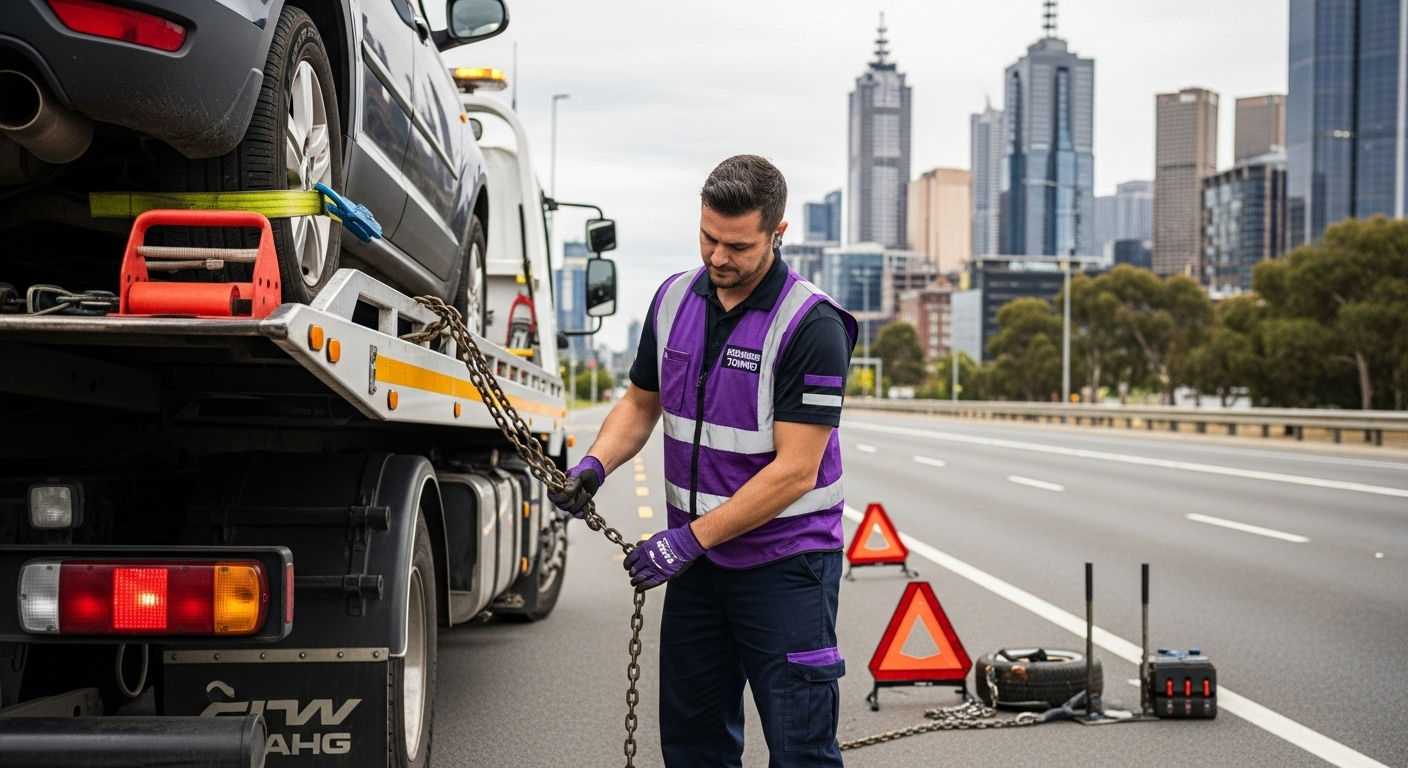
Flatbed towing is considered the gold standard for vehicle transport. Your entire vehicle is loaded onto a flat platform, meaning no wheels touch the ground during transport. This method is ideal for luxury vehicles, all-wheel drive cars, motorcycles, and vehicles with significant damage. It eliminates wear on your vehicle and provides maximum security during transport.

Wheel-Lift Towing - Efficient and Reliable

Wheel-lift towing uses a metal yoke that hooks under the front or rear wheels of your vehicle, lifting one end off the ground while the other end rolls. This modern method is faster than traditional hook and chain towing and safer for your vehicle. It's suitable for most standard passenger vehicles and is commonly used for local towing.

Hook and Chain Towing - For Specific Situations

While less common today, hook and chain towing involves chains wrapped around the vehicle's axle or frame. This method is primarily used for salvaged vehicles or those being scrapped, as it can cause some wear. It's not recommended for vehicles you intend to continue driving.

Integrated Towing - For Heavy Vehicles

Integrated or self-loader tow trucks are designed for heavy-duty vehicles like buses, RVs, or commercial trucks. They use specialized arms embedded in the truck for extra stability and security when towing larger, heavier vehicles.

Dolly Towing - For Long Distances

A tow dolly allows two wheels to roll while two are lifted, making it cost-effective for long-distance towing. However, it's not suitable for all-wheel drive vehicles and requires more setup time.

Choosing the Right Service

The best towing method depends on several factors: your vehicle type, the distance to be towed, the vehicle's condition, and your budget. Professional towing companies like Haraka Towing can assess your situation and recommend the most appropriate method.

Not sure which service you need? Our experts at Haraka Towing can help. Call us for professional advice.

How to Prepare Your Car for Towing

How to Prepare Your Car for Towing: Essential Steps

Published: October 2024 | Category: Preparation Guide

Properly preparing your vehicle for towing ensures a smooth process and helps prevent any additional damage or complications. Whether you're dealing with a breakdown or planned transport, these preparation steps are essential.

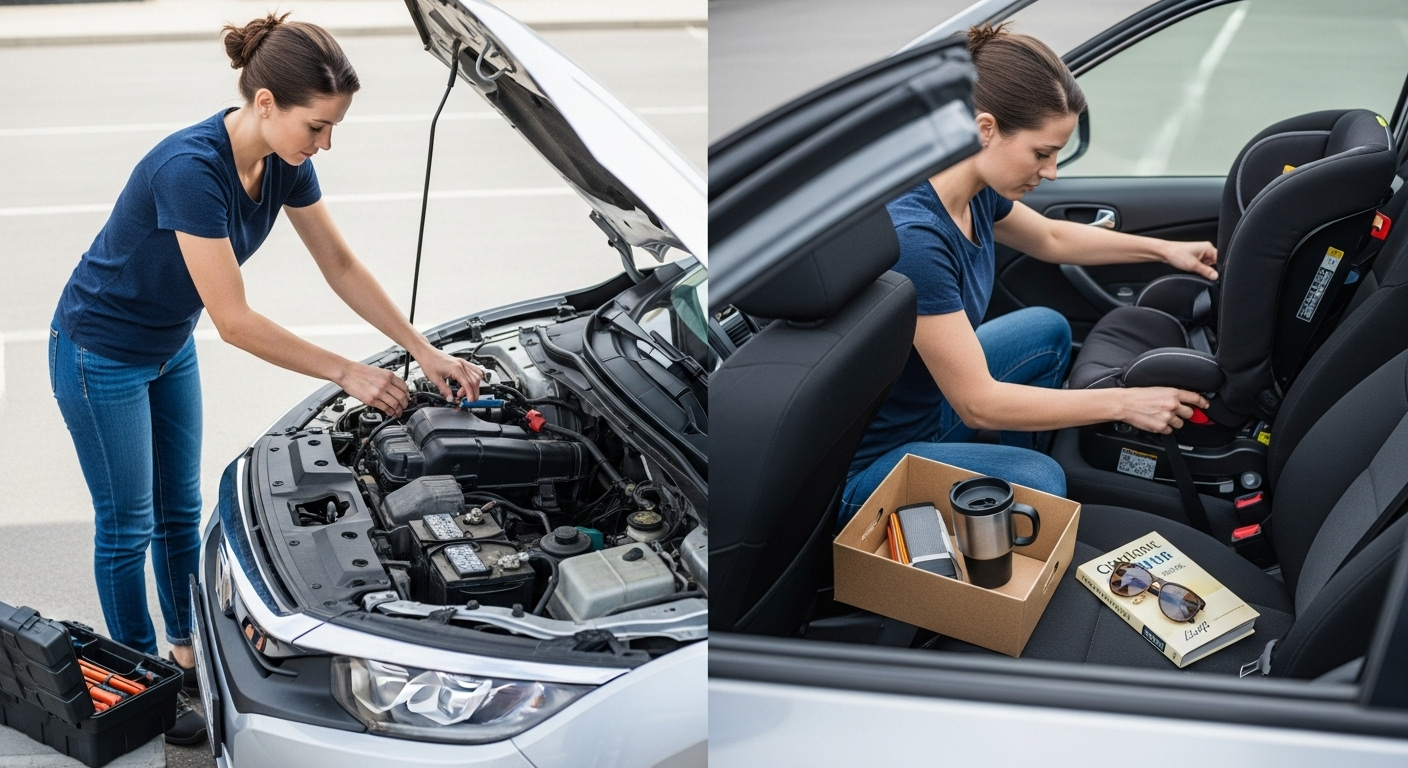
Remove Personal Belongings

Remove all valuable items, personal belongings, and loose objects from your vehicle. Items left in the car can shift during transport, potentially causing damage. Additionally, towing companies typically aren't liable for personal items left in vehicles. Check the glove compartment, trunk, and under seats.

Document Your Vehicle's Condition

Take photos of your vehicle from multiple angles before towing, including any existing damage. This documentation protects both you and the towing company by providing a clear record of the vehicle's pre-towing condition. Note the odometer reading as well.

Secure Loose Parts

If your vehicle has loose or damaged parts like bumpers, mirrors, or trim pieces, secure them or remove them if possible. Inform the towing operator about any issues. Retract or remove antennas, fold in mirrors if damaged, and ensure the fuel cap is tightly secured.

Disable Alarms and Anti-Theft Devices

Turn off your car alarm and any anti-theft devices that might activate during towing. Provide the towing operator with any special instructions about your vehicle's security systems to prevent complications.

Provide Accurate Information

Give the towing company complete and accurate information about your vehicle: make, model, year, any modifications, and whether it's two-wheel, four-wheel, or all-wheel drive. This helps them bring the right equipment.

Check Tire Pressure

If possible and safe, ensure your tires have adequate pressure. Completely flat tires can complicate the towing process and may require special equipment or methods.

Inform About Special Circumstances

Alert the towing company to any special circumstances: if the vehicle is locked and you don't have keys, if it's stuck in park, if there are mechanical issues that affect towing, or if it's in an awkward location. This information helps them prepare appropriately.

Need professional towing service? Haraka Towing handles your vehicle with care every step of the way. Request a quote now.

Understanding Towing Costs and Pricing

Understanding Towing Costs: What You're Really Paying For

Published: October 2024 | Category: Pricing Guide

Towing costs can vary significantly based on numerous factors. Understanding what influences pricing helps you budget appropriately and recognize fair pricing when you see it. Here's a comprehensive breakdown of towing cost components.

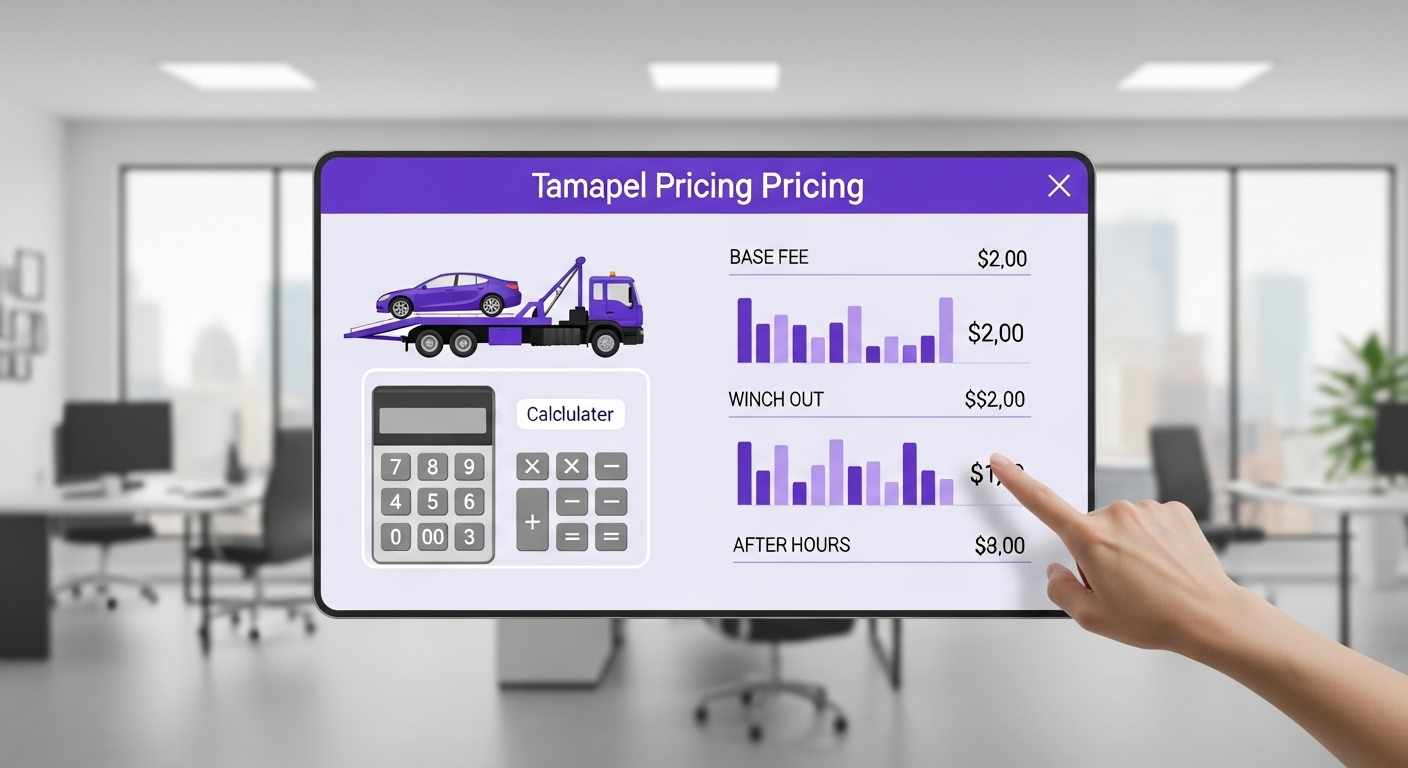
Base Rate or Hook-Up Fee

Most towing companies charge a base rate or "hook-up fee" that covers the cost of dispatching a truck and operator to your location. This typically ranges from $75 to $125 in Melbourne, regardless of distance. This fee covers the company's operational costs, including fuel, maintenance, and labor to reach you.

Per-Kilometer Charges

Beyond the base rate, you'll pay per kilometer for the actual towing distance. Rates typically range from $3 to $7 per kilometer depending on the service type and vehicle. The distance is measured from pickup to drop-off location, not from the towing company's base.

After-Hours and Emergency Premiums

Services required outside standard business hours (typically 6 PM to 7 AM) or on weekends and holidays often incur premium charges, usually 50-100% above standard rates. Emergency response services, where immediate dispatch is required, may also carry additional fees.

Vehicle Type Considerations

Larger, heavier, or specialized vehicles cost more to tow due to equipment requirements. Standard sedans are least expensive, while SUVs, trucks, motorcycles (requiring special equipment), and luxury vehicles requiring flatbed service will increase costs.

Complexity and Accessibility Fees

Additional charges may apply for complex situations: vehicles stuck in difficult locations (ditches, mud, underground parking), those requiring winching, or situations needing special equipment. These are typically quoted on a case-by-case basis.

Insurance and Your Costs

Check your insurance policy - many comprehensive policies include roadside assistance or towing coverage that can significantly reduce or eliminate your out-of-pocket costs. RACV and other motor clubs also offer towing benefits to members.

How to Avoid Surprise Charges

Always request a detailed quote before authorizing service. Reputable companies like Haraka Towing provide transparent pricing with all fees explained upfront. Be wary of quotes that seem unusually low - they may not include all charges.

Ways to Save on Towing

Consider maintaining a roadside assistance membership if you drive frequently or have an older vehicle. Keep your towing company's number saved for faster service. When possible, have your vehicle towed to a nearby location rather than across the city.

Get transparent pricing with no hidden fees. Contact Haraka Towing for a detailed quote.

Emergency Towing Tips

Emergency Towing: Quick Response Tips for Critical Situations

Published: October 2024 | Category: Emergency Guide

Emergency situations require quick thinking and immediate action. Whether you've been in an accident, experienced a critical mechanical failure, or face any urgent towing need, these tips will help you navigate the situation safely and efficiently.

Assess the Situation Quickly

In an emergency, take a moment to assess: Are you and any passengers safe? Is the vehicle in immediate danger (fire, smoke, dangerous location)? Is there risk to other drivers? Your first priority is always human safety - if there's immediate danger, evacuate the vehicle and move to a safe location.

Call Emergency Services First When Needed

If there are injuries, fire, fuel leaks, or the vehicle is blocking traffic dangerously, call 000 before calling a tow truck. Police and emergency services take priority in these situations and can also help secure the scene.

Have Critical Information Ready

When calling for emergency towing, quickly provide: exact location (street name, landmarks, nearest intersection), nature of the emergency, whether there are injuries, traffic hazards present, and your vehicle details. The more information you provide upfront, the faster help arrives.

Use Your Hazard Lights and Warning Devices

Immediately activate hazard lights. If safe to do so, set up warning triangles or flares at least 50 meters behind your vehicle on highways. This alerts approaching drivers and prevents additional accidents.

Stay With Your Vehicle (Usually)

Unless there's immediate danger, stay with your vehicle so the tow truck can find you easily. If you must leave, leave a note on the windshield with your contact information and inform the towing company of your exact waiting location.

Know Your Insurance Coverage

Many insurance policies include emergency towing coverage. Even in urgent situations, mention this to the towing company - they often work directly with insurers. Keep your insurance information easily accessible in your phone or vehicle.

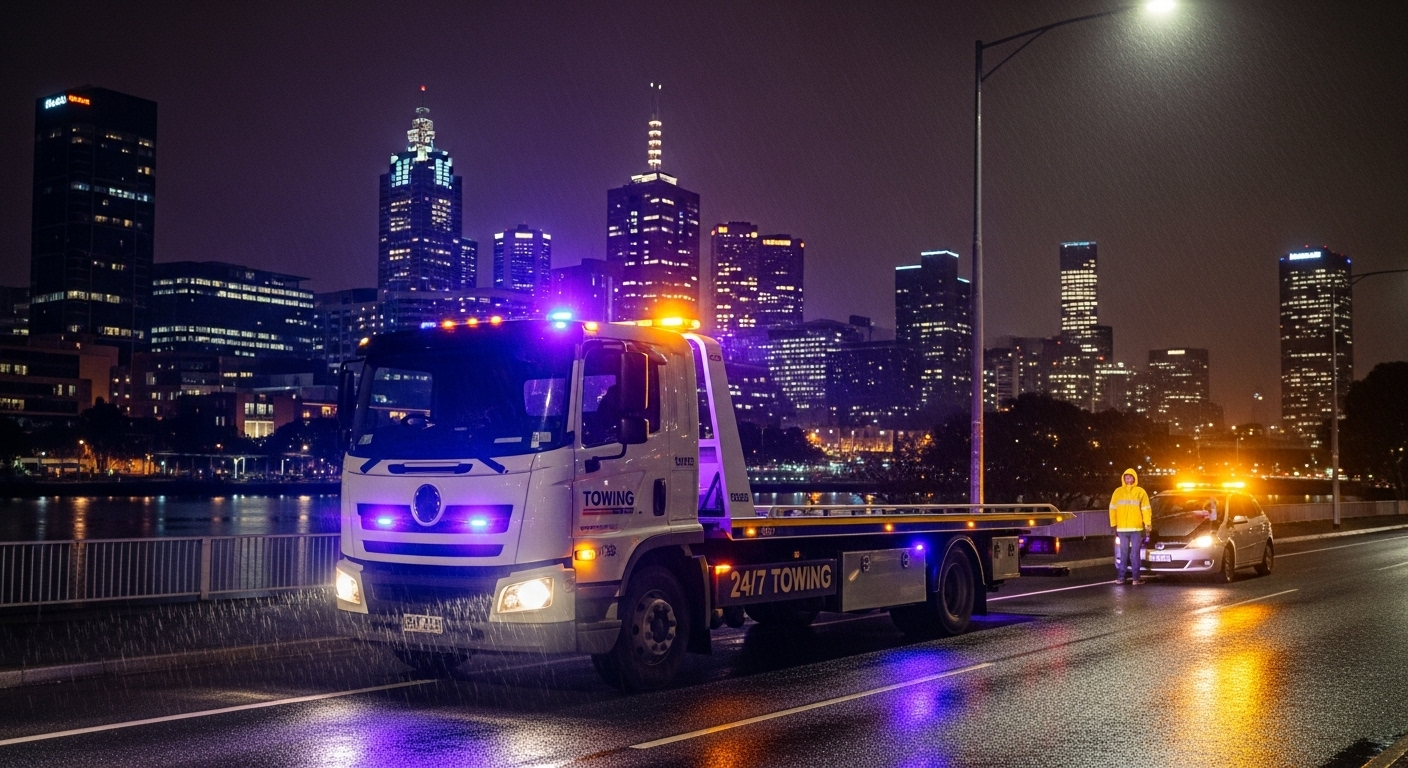
Choose a 24/7 Emergency Service

Not all towing companies offer true 24/7 emergency response. Haraka Towing provides round-the-clock emergency service with rapid response times. Save our number in your phone: 0489 185 685.

Emergency towing needed right now? Call Haraka Towing immediately: 0489 185 685 - We're here 24/7.

Interstate Towing Guide

Interstate Towing Guide: Everything You Need to Know

Published: October 2024 | Category: Interstate Transport

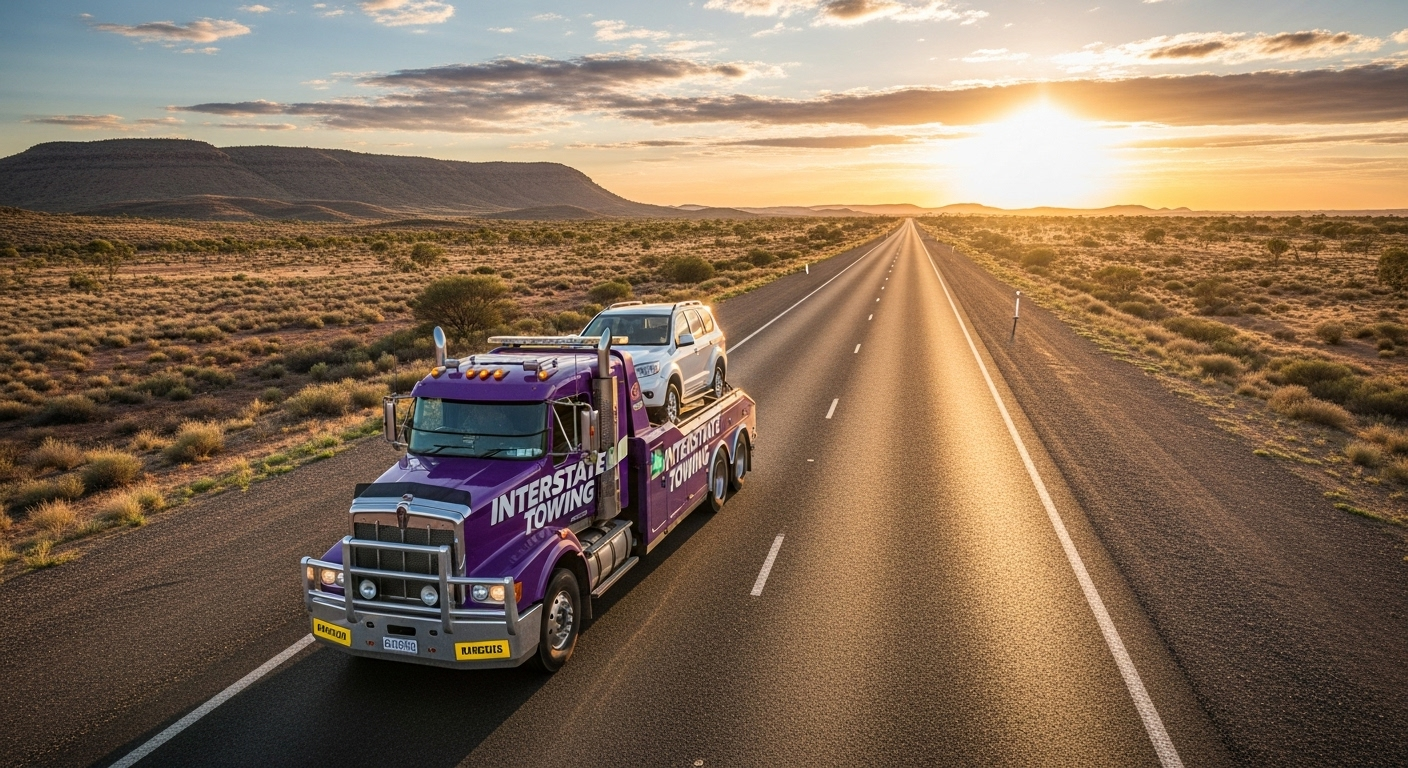
Interstate vehicle transport requires careful planning and a reliable towing service. Whether you're relocating, selling a vehicle to a buyer in another state, or need your car moved for any reason, understanding the interstate towing process ensures a smooth experience.

Planning Your Interstate Tow

Interstate towing requires advance planning. Book your service at least a week in advance when possible, especially during peak moving seasons (summer and end-of-month). Provide precise pickup and delivery addresses, preferred dates, and any time constraints you have.

Choosing Between Open and Enclosed Transport

Open transport is more affordable and suitable for most vehicles - your car travels on an open trailer exposed to weather. Enclosed transport provides complete protection in a covered trailer, ideal for luxury vehicles, classics, or expensive cars. It costs 40-60% more but offers maximum security.

Preparing Your Vehicle

For interstate transport: thoroughly clean your vehicle and document its condition with photos, remove all personal items and toll tags, ensure only 1/4 tank of fuel (reduces weight and safety risk), check tire pressure, disable alarms, and note any existing damage.

Understanding Interstate Regulations

Interstate towing companies must comply with federal regulations and maintain appropriate interstate operating authority. Verify your chosen company has proper licensing for interstate transport - legitimate companies willingly provide this information.

Insurance During Interstate Transport

Confirm the towing company's insurance coverage for interstate transport. Most reputable companies carry comprehensive coverage, but understand the terms: coverage limits, deductibles, and the claims process. Consider additional insurance for high-value vehicles.

Typical Interstate Timeframes

Distance determines transport time: Melbourne to Sydney typically takes 1-2 days, Melbourne to Brisbane 2-3 days, Melbourne to Perth 5-7 days. Factor in potential delays from weather, traffic, or logistical issues. Companies providing guaranteed delivery dates usually charge premium rates.

Cost Factors for Interstate Towing

Interstate towing costs depend on distance, vehicle type and size, transport method (open vs. enclosed), seasonality (summer is peak season), and urgency (expedited service costs more). Request detailed quotes from multiple companies for comparison.

Need reliable interstate towing? Haraka Towing provides professional long-distance transport across Australia. Get your free interstate quote.

Roadside Assistance Essentials

Roadside Assistance Essentials: What Every Driver Should Know

Published: October 2024 | Category: Roadside Help

Roadside assistance can be a lifesaver when you're stranded. Understanding what services are available, what to keep in your car, and how to get help efficiently makes all the difference between a minor inconvenience and a major problem.

Common Roadside Assistance Services

Professional roadside assistance typically includes: jump-starting for dead batteries, tire changes and spare installation, fuel delivery when you run out, lockout services when keys are locked inside, minor on-site repairs, and towing to a service station if the problem can't be fixed on-site.

Essential Items to Keep in Your Car

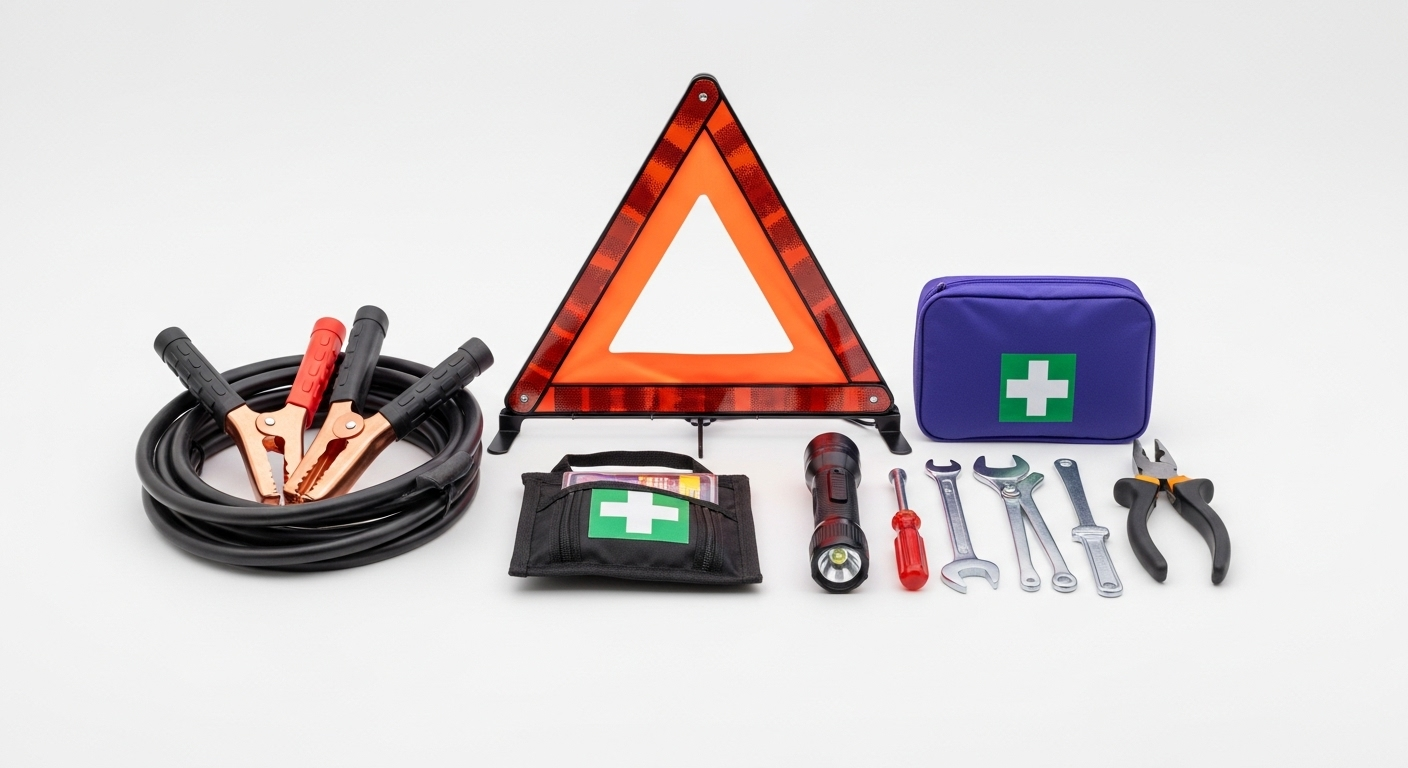
Be prepared with these essentials: a properly inflated spare tire with jack and lug wrench, jumper cables or a portable jump starter, basic tool kit, flashlight with extra batteries, warning triangles or flares, first aid kit, emergency water and snacks, phone charger, and a blanket for winter.

When to Call for Roadside Assistance

Don't wait until a minor issue becomes major. Call for help if: your battery is dead and you don't have jumper cables or another vehicle to help, you have a flat tire and can't safely change it or don't have a spare, you've run out of fuel, your engine is overheating, you smell unusual odors or see smoke, or you're locked out of your vehicle.

Membership vs. Pay-Per-Use Services

Roadside assistance memberships (like RACV) offer unlimited calls for an annual fee, ideal if you drive an older vehicle or travel frequently. Pay-per-use services charge per call, better for newer vehicles or occasional drivers. Many insurance policies include roadside assistance - check your coverage.

What to Expect When Help Arrives

Professional roadside assistance operators will: identify themselves and their company, assess the problem, attempt on-site fixes when possible, explain the issue and solution clearly, and arrange towing if the vehicle can't be fixed roadside. They should treat you and your vehicle respectfully.

Safety While Waiting for Assistance

While waiting: stay in your vehicle if on a busy road with seatbelt on, turn on hazard lights, if you must exit, use the passenger side away from traffic, stay visible and near your vehicle so help can find you, and keep your phone charged and accessible.

Preventing Common Roadside Emergencies

Many roadside issues are preventable: maintain your battery (typically lasts 3-5 years), check tire pressure monthly and tread depth, keep at least 1/4 tank of fuel, maintain regular vehicle servicing, and address warning lights promptly.

Need roadside assistance in Melbourne? Haraka Towing provides fast, professional help 24/7. Call 0489 185 685.

Vehicle Breakdown Prevention

Preventing Vehicle Breakdowns: Proactive Maintenance Tips

Published: October 2024 | Category: Maintenance Guide

While breakdowns can happen unexpectedly, many are preventable with proper maintenance and attention to your vehicle's needs. These proactive steps can help you avoid the stress and cost of roadside emergencies.

Follow Your Vehicle's Service Schedule

Your vehicle's manual includes a recommended service schedule - follow it religiously. Regular servicing catches small issues before they become major problems. Typical intervals are every 10,000-15,000 km or every 6-12 months. Keep records of all services performed.

Monitor Fluid Levels Regularly

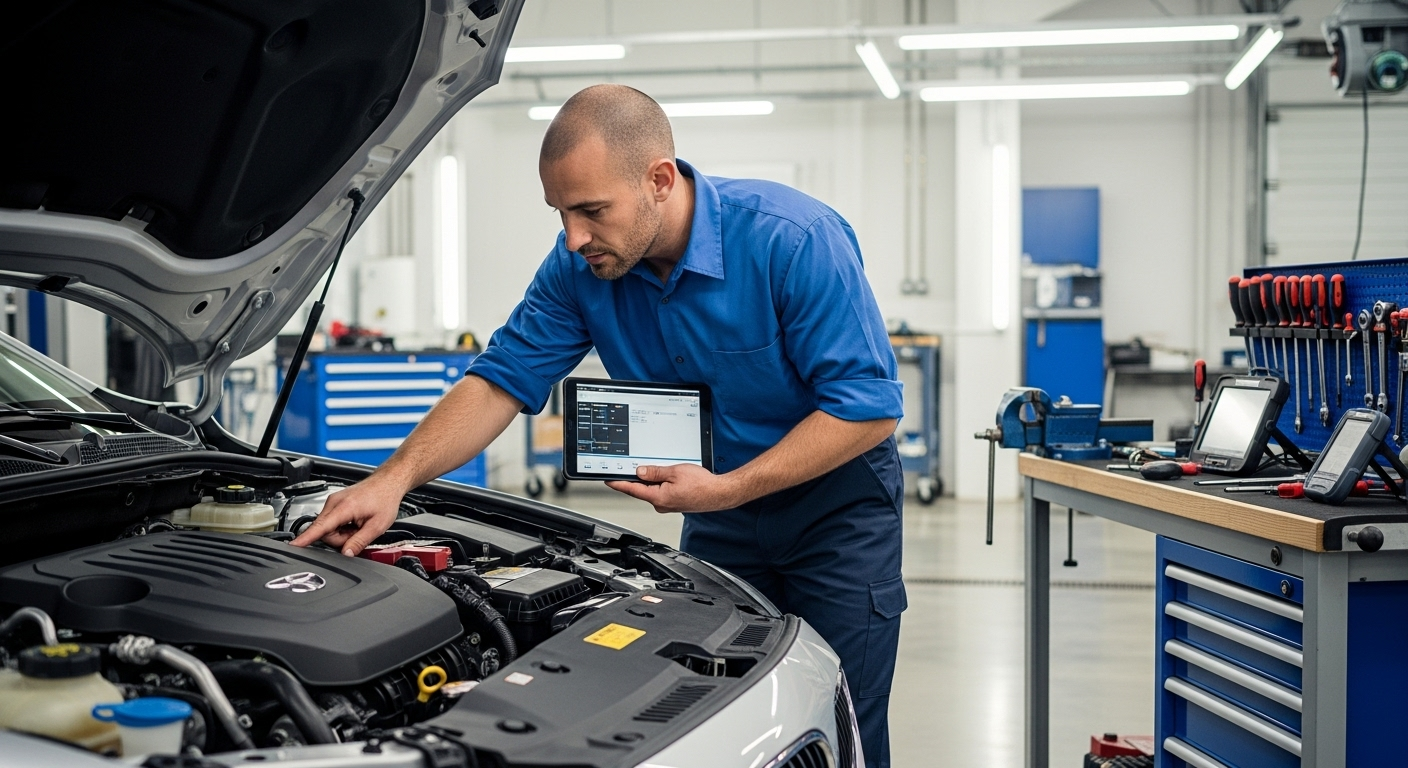
Check these fluids monthly: engine oil (low oil can cause engine seizure), coolant (prevents overheating), brake fluid (critical for safety), power steering fluid, and windscreen washer fluid. Learn how to check each properly and top up when needed. Look for leaks under your parked vehicle.

Battery Maintenance

Car batteries typically last 3-5 years. Have your battery tested annually after it's 3 years old. Clean corrosion from terminals, ensure connections are tight, and watch for slow cranking or dim lights - early signs of battery failure. In Melbourne's variable climate, batteries can fail more quickly.

Tire Care is Critical

Check tire pressure monthly when tires are cold - incorrect pressure causes premature wear and increases blowout risk. Inspect tread depth using the 1-dollar coin test (tread should reach the numbers). Rotate tires every 10,000 km for even wear. Replace tires when tread is worn or they're over 5 years old.

Address Warning Lights Immediately

Dashboard warning lights indicate problems that need attention. Never ignore: check engine light (emissions or engine issues), battery light (charging system), oil pressure light (immediate attention required), temperature warning (overheating risk), or brake warning light (safety critical). Have these diagnosed promptly.

Belt and Hose Inspections

Timing belts, serpentine belts, and hoses deteriorate over time. A broken timing belt can destroy your engine. Have belts inspected during services and replaced according to manufacturer recommendations (typically 60,000-100,000 km). Check hoses for cracks, bulges, or soft spots.

Listen to Your Vehicle

Unusual noises often indicate problems: grinding when braking (worn brake pads), squealing belts (wear or misalignment), knocking from the engine (serious issues), or clicking when turning (CV joint problems). Don't ignore strange sounds - they usually worsen.

Pre-Trip Checks for Long Journeys

Before long trips: check all fluid levels, tire pressure and tread, lights and indicators, windscreen wipers, and ensure your spare tire is inflated. Consider a pre-trip inspection at a mechanic for peace of mind, especially for interstate travel.

Even with the best maintenance, breakdowns can happen. When they do, Haraka Towing is ready to help: 0489 185 685.

Towing Safety Tips

Towing Safety Tips: Protecting Your Vehicle During Transport

Published: October 2024 | Category: Safety Guide

Whether your vehicle is being towed due to a breakdown or for transport, understanding towing safety ensures your vehicle arrives at its destination without additional damage. Here's what you need to know about safe towing practices.

Choosing the Right Towing Method

Different vehicles require different towing approaches. All-wheel drive vehicles should always be flatbed towed to prevent transmission damage. Luxury and sports cars benefit from flatbed towing to avoid wear. For standard vehicles, wheel-lift towing is safe and efficient. Always inform the towing company about your vehicle's drive system.

Proper Vehicle Securing

Watch how your vehicle is secured. It should have: at least four secure attachment points, proper weight distribution on the flatbed, chains or straps in good condition (no fraying or damage), wheels chocked if partially loaded, and proper tension on securing devices - not too tight (can damage), not too loose (allows movement).

Pre-Towing Inspection

Before towing begins: document your vehicle's condition with photos, note the odometer reading, remove all personal items, ensure the parking brake is set appropriately (on for some methods, off for others - follow operator instructions), and remove or secure loose parts like antennas.

Transmission and Drivetrain Considerations

Incorrect towing can severely damage transmissions. Front-wheel drive vehicles should be towed with front wheels off the ground. Rear-wheel drive vehicles with rear wheels up. All-wheel drive vehicles require flatbed towing. Manual transmissions can usually be towed in neutral; automatics have specific requirements.

Speed and Distance Limits

For wheel-lift towing, there are speed and distance limitations to prevent damage. Generally, speeds shouldn't exceed 80 km/h, and long distances should use flatbed transport. Ask your towing operator about their speed limits and practices for your specific situation.

Weather Considerations

Towing in adverse weather requires extra care. Rain, wind, and poor visibility increase risks. Reputable companies may delay non-emergency towing in dangerous conditions. Secured vehicles should be checked more frequently in high winds. Covered transport protects vehicles from weather damage during long-distance towing.

Communication with Your Towing Operator

Clear communication prevents problems. Inform them about: any existing damage to avoid confusion later, mechanical issues that affect towing (stuck in park, seized wheels), special features (low ground clearance, custom modifications), and your destination including any access restrictions.

Post-Towing Inspection

When your vehicle is delivered: inspect it before the tow truck leaves, compare its condition to pre-towing photos, check the odometer, test that it rolls freely if it wasn't running before, and report any new damage immediately while the operator is present.

Red Flags to Watch For

Be cautious if you notice: operators rushing the securing process, use of damaged straps or chains, improper towing method for your vehicle type, unwillingness to let you observe the process, or resistance to questions about their methods. Professional operators welcome your involvement and questions.

Trust your vehicle to experienced professionals. Haraka Towing's operators are trained in safe towing practices for all vehicle types. Contact us for safe, professional service.

Need Professional Towing Service?

Whether it's an emergency or planned transport, we're here to help 24/7

Get Free Quote